

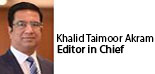
Mr. Khalid Taimur Akram participated as a speaker in the 4th Academic Symposium on “Global Security Governance” held at Chongqing, China

On 19th December 2025, Mr. Khalid Taimur Akram Executive Director, Pakistan Research Center for a Community with Shared Future (PRCCSF) participated as a distinguished speaker at the 4th Academic Symposium on “Global Security Governance,” jointly organized by the Baize Institute of Strategic Studies at Southwest University of Political Science and Law, Chongqing, China, and the Faculty of Political Science, Thammasat University, Bangkok, Thailand held at Chongqing, China. About 80 Scholars/ Experts from 27 countries participated in the event.
 This year’s symposium was themed “The Contemporary Connotation and Global Significance of the Global Governance Initiative.” Keynote addresses were delivered by Prof. Ma Fang, Chairman and President at the Baize Institute for Strategic Studies, Southwest University of Political Science and Law, and Professor Hu Ergui, Vice President of Southwest University of Political Science and Law, Chongqing, China. Both speakers highlighted the importance of strengthening international cooperation, advancing rule-based global governance, and addressing the challenges posed by an increasingly multipolar world.
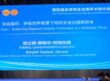
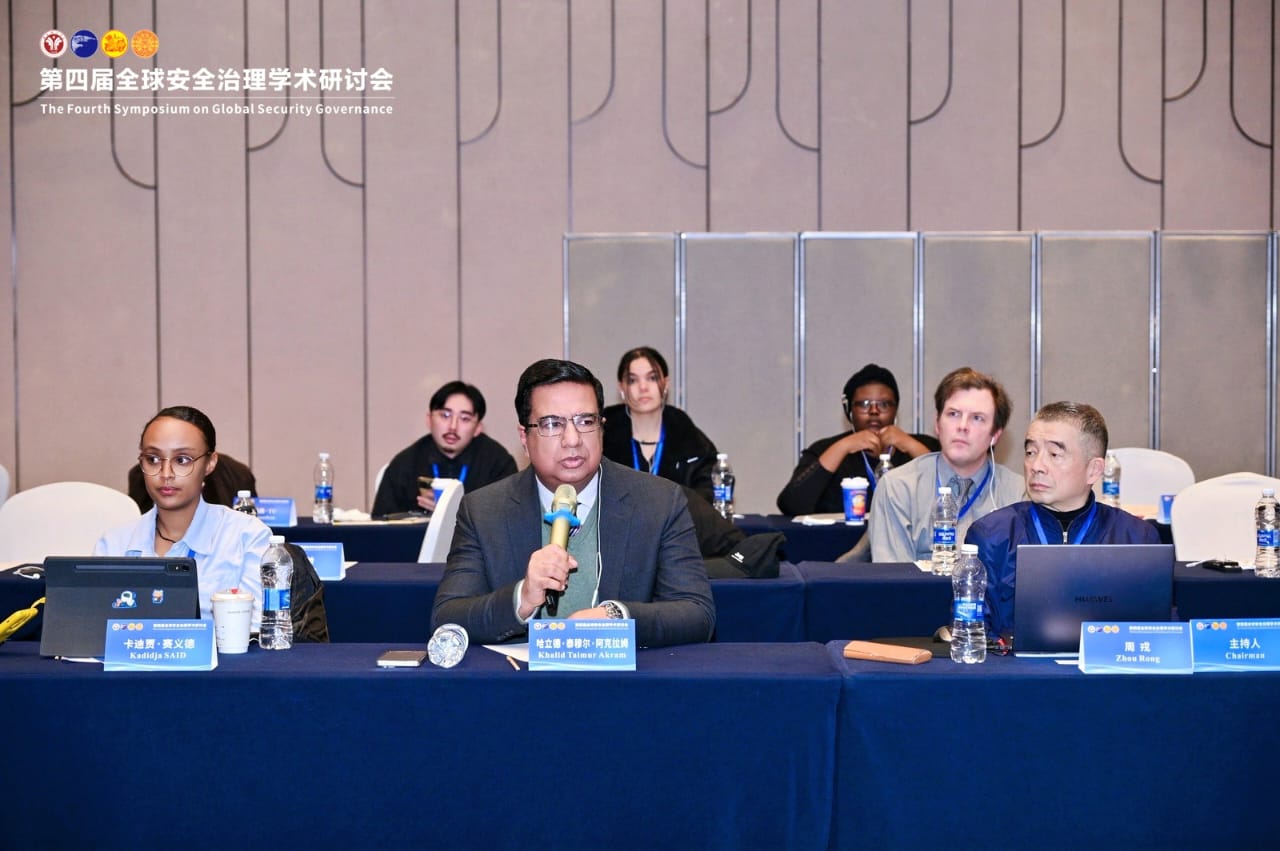
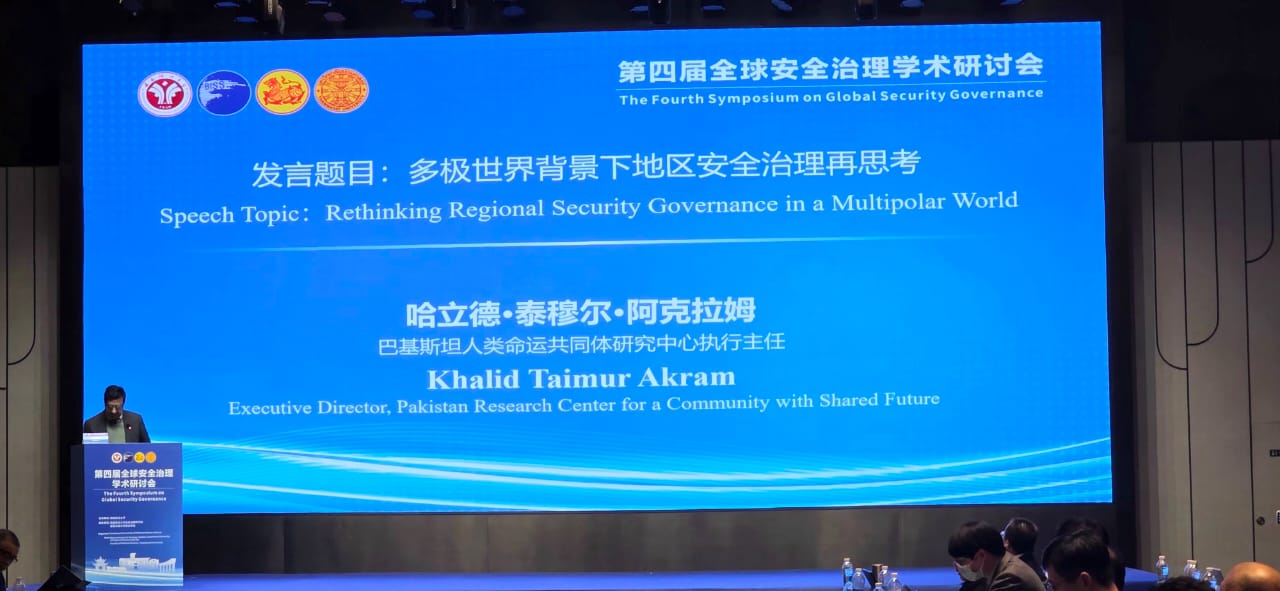
Mr. Khalid Taimur Akram gave a keynote speech on “Rethinking Regional Security Governance in a Multipolar World” in the forum themed “Regional Practices in Global Security Governance”. In his speech, Mr. Akram analyzed emerging regional security architectures and highlighted the evolving roles of both state and non-state actors in addressing contemporary security challenges. He emphasized the importance of collaborative frameworks, multilateral cooperation, and knowledge sharing to strengthen regional stability in a multipolar global order. Drawing on practical case studies and policy insights, Mr. Akram proposed innovative approaches for integrating regional practices with global governance mechanisms. His presentation was highly appreciated for combining scholarly analysis with actionable strategies for promoting peace, security, and cooperative governance.
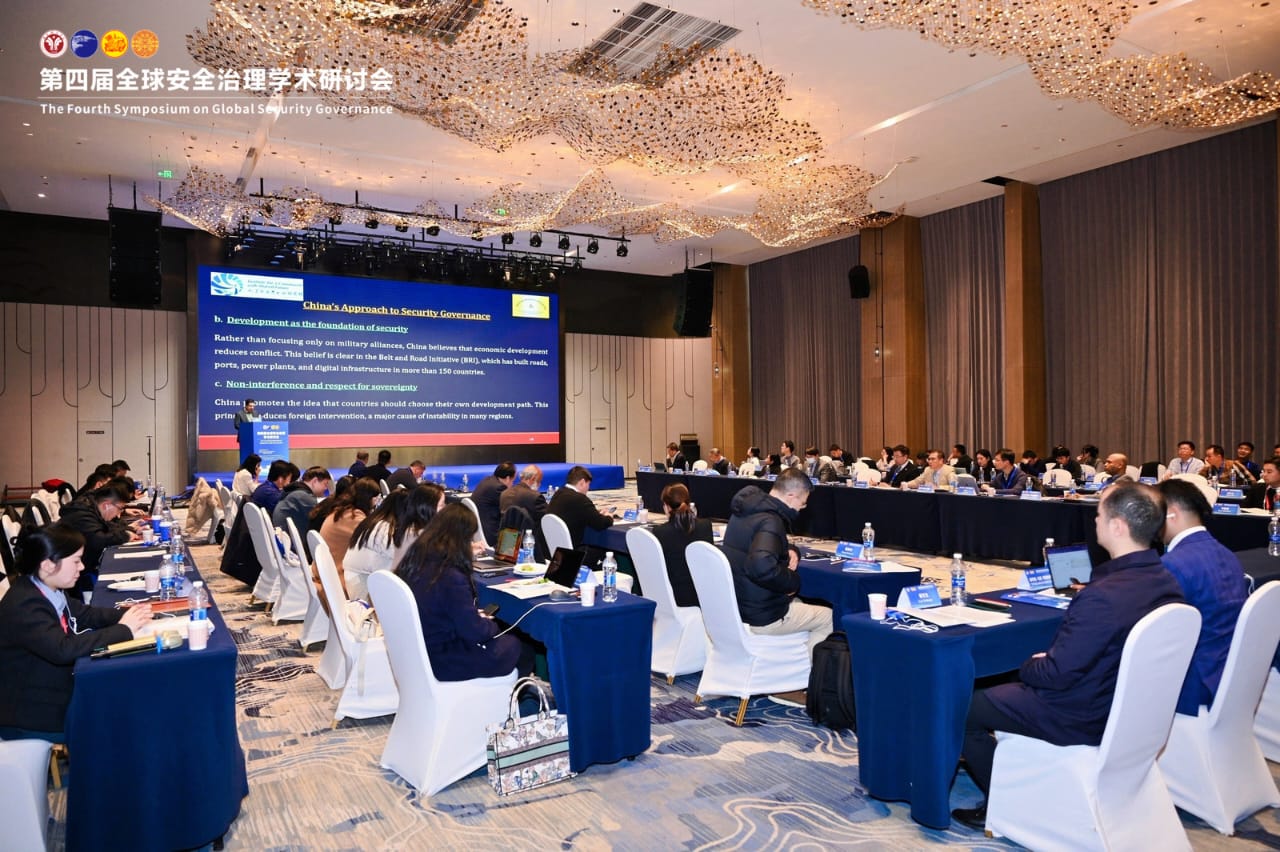 The symposium was structured into three thematic Forums, each focusing on a critical dimension of global governance and security:
• Forum 1: Promoting the Democratization and Rule of Law in International Relations
Discussions here explored strategies to enhance transparency, accountability, and the rule of law in international relations, emphasizing the importance of democratic norms and legal frameworks in addressing global challenges.
• Forum 2: Adhering to the Global Governance Concept of Extensive Consultation, Joint Contribution, and Shared Benefits
This session discussed approaches to cooperative global governance, highlighting how multilateral engagement, mutual consultation, and equitable sharing of benefits can strengthen international stability and development.
• Forum 3: Regional Practices in Global Security Governance
The 3rd forum focused on innovative regional approaches to security governance, evaluating case studies, best practices, and the role of regional institutions in promoting peace, stability, and collaborative security frameworks.
 The 4th Academic Symposium brought together leading scholars, policymakers, and experts to discuss pressing issues in global security and governance successfully provided a dynamic platform for dialogue and exchange among scholars, policymakers, and practitioners from around the world. By combining theoretical insights with practical perspectives, the symposium contributed significantly to the ongoing discourse on global security governance, emphasizing the relevance of regional practices and multipolar cooperation in addressing contemporary global challenges.


